Yes, a three-course lunch is an excellent option for a business meeting. It provides a structured, unhurried setting that encourages genuine conversation, builds rapport, and signals that you value the relationship as much as the outcome. The format works particularly well when the goal is to deepen a professional connection rather than simply exchange information. The sections below explore how to make the most of the format and what to consider when planning one.
What makes a three-course lunch different from a regular business lunch?
A three-course lunch differs from a regular business lunch in its structure, pacing, and intent. Where a standard lunch might be a quick meal with business as the clear focus, a three-course meal creates a deliberate arc: a starter to settle in, a main course to engage, and a dessert or coffee to close naturally. This rhythm gives the meeting a beginning, middle, and end that mirrors a well-run conversation.
The practical difference is time and atmosphere. A sandwich or a single-dish lunch tends to feel transactional. A three-course meal, by contrast, communicates that the meeting matters. The additional courses create natural pauses in the conversation, which reduces pressure and allows both parties to think, listen, and respond more thoughtfully. It also signals a degree of hospitality that a quick lunch simply cannot replicate.
From a psychological standpoint, sharing a longer, more considered meal activates a sense of reciprocity and goodwill. Business relationships built around the table tend to be stickier than those formed in a conference room, and the three-course format is particularly effective at creating that kind of lasting impression.
What are the benefits of a three-course lunch for a business meeting?
The main benefits of a three-course business lunch meeting are stronger relationship building, a more relaxed atmosphere for conversation, and a natural structure that keeps the meeting from feeling rushed or overly formal. The format encourages both parties to invest time in each other, which builds trust more effectively than a brief encounter.
Beyond the relational advantages, a three-course lunch also offers practical benefits:
- Neutral ground: A restaurant removes the power dynamic of meeting in someone’s office, putting both parties on equal footing.
- Reduced distractions: Away from the workplace, interruptions from colleagues, phones, and emails are far less likely to derail the conversation.
- Natural conversation flow: Ordering, eating, and moving between courses creates organic pauses that prevent the meeting from feeling like an interrogation or a pitch.
- Memorable experience: A well-chosen restaurant and a thoughtful meal are far more memorable than a meeting room, which helps your interaction stand out.
- Flexibility: The format accommodates a wide range of tones, from celebratory to exploratory to persuasive, depending on how you use the time.
For hosts, a three-course lunch also demonstrates confidence and generosity, qualities that transfer positively to how you and your organisation are perceived professionally.
How long does a three-course business lunch typically take?
A three-course business lunch typically takes between 90 minutes and two hours. This includes time for settling in and ordering, working through each course, and wrapping up the conversation naturally. Rushing any part of the experience tends to undermine the very atmosphere the format is designed to create.
When planning your schedule, it is wise to block out at least two hours rather than squeezing the lunch between back-to-back commitments. Feeling pressed for time is one of the fastest ways to make a business lunch feel transactional rather than generous. If your guest senses you are watching the clock, the rapport you are trying to build quickly erodes.
Arriving five to ten minutes early is a small but meaningful gesture. It allows you to be settled and welcoming rather than flustered when your guest arrives, setting a calm and attentive tone for the entire meal. Most well-run restaurants that cater to business diners understand the value of attentive but unobtrusive service, which helps keep the pace comfortable without unnecessary interruptions.
What type of business meeting suits a three-course lunch?
A three-course lunch suits business meetings where relationship quality matters as much as the agenda. It works best for first meetings with a prospective client or partner, celebrations of a deal or milestone, sensitive conversations that benefit from a relaxed setting, and any situation where you want to demonstrate genuine appreciation for the other person’s time and company.
It is less suited to large group meetings, highly technical discussions that require screens and documents, or situations where a decision needs to be made quickly. The format is inherently social, so it rewards occasions where the human connection is the point, not just the backdrop.
Some of the most effective uses of a three-course business lunch include:
- Onboarding a new client or partner at the start of a relationship
- Thanking a long-standing collaborator or supplier
- Exploring a potential collaboration before any formal proposal
- Reconnecting with a contact you have not seen in some time
- Closing a deal in a way that marks the occasion appropriately
In each of these cases, the three-course format adds weight and warmth to the interaction in a way that a shorter, simpler meeting cannot.
Should business be discussed during all three courses?
Business should not be discussed during all three courses. The most effective approach is to use the starter phase for light conversation and relationship building, introduce business topics naturally during the main course, and use the dessert or coffee stage to summarise, agree on next steps, or simply close on a positive note. Forcing business talk throughout the entire meal makes the lunch feel like a meeting with food, rather than a genuine shared experience.
The starter is best used for personal connection. Ask about your guest’s journey to the restaurant, their recent projects, or topics you know they care about. This is not wasted time. It is the foundation on which productive business conversation is built.
By the main course, the atmosphere is usually warm enough to move into the substance of why you are there. This is the right moment to raise proposals, discuss challenges, or explore opportunities. The conversation tends to be more open and honest in this setting than it would be in a formal meeting room.
The final course is a natural moment to ease back from business and close warmly. Summarise any agreements, express enthusiasm for what is ahead, and let the conversation breathe again. Ending on a relaxed note leaves your guest with a positive feeling that lingers well beyond the meal itself.
What should you look for when choosing a restaurant for a business lunch?
When choosing a restaurant for a business lunch, the most important factors are the quality and consistency of the food, the noise level, the service standard, and the overall atmosphere. A restaurant that is too loud makes conversation difficult, while one that is too casual may undercut the professional tone you are trying to set. The ideal venue is one where you can speak comfortably, feel well looked after, and trust that the food will impress.
A few practical criteria to guide your choice:
- Noise level: Avoid restaurants with hard surfaces, loud music, or very close table spacing. You need to be able to hear each other without effort.
- Service quality: Attentive but discreet service is essential. Constant interruptions or long waits between courses disrupt the flow of conversation.
- Menu range: Choose a restaurant with enough variety to accommodate different dietary needs and preferences without making ordering feel complicated.
- Location: Consider convenience for your guest, not just yourself. A central location with easy access is always a thoughtful choice.
- Atmosphere: The setting should feel appropriate to the relationship and the occasion, whether that calls for something classic, contemporary, or distinctive.
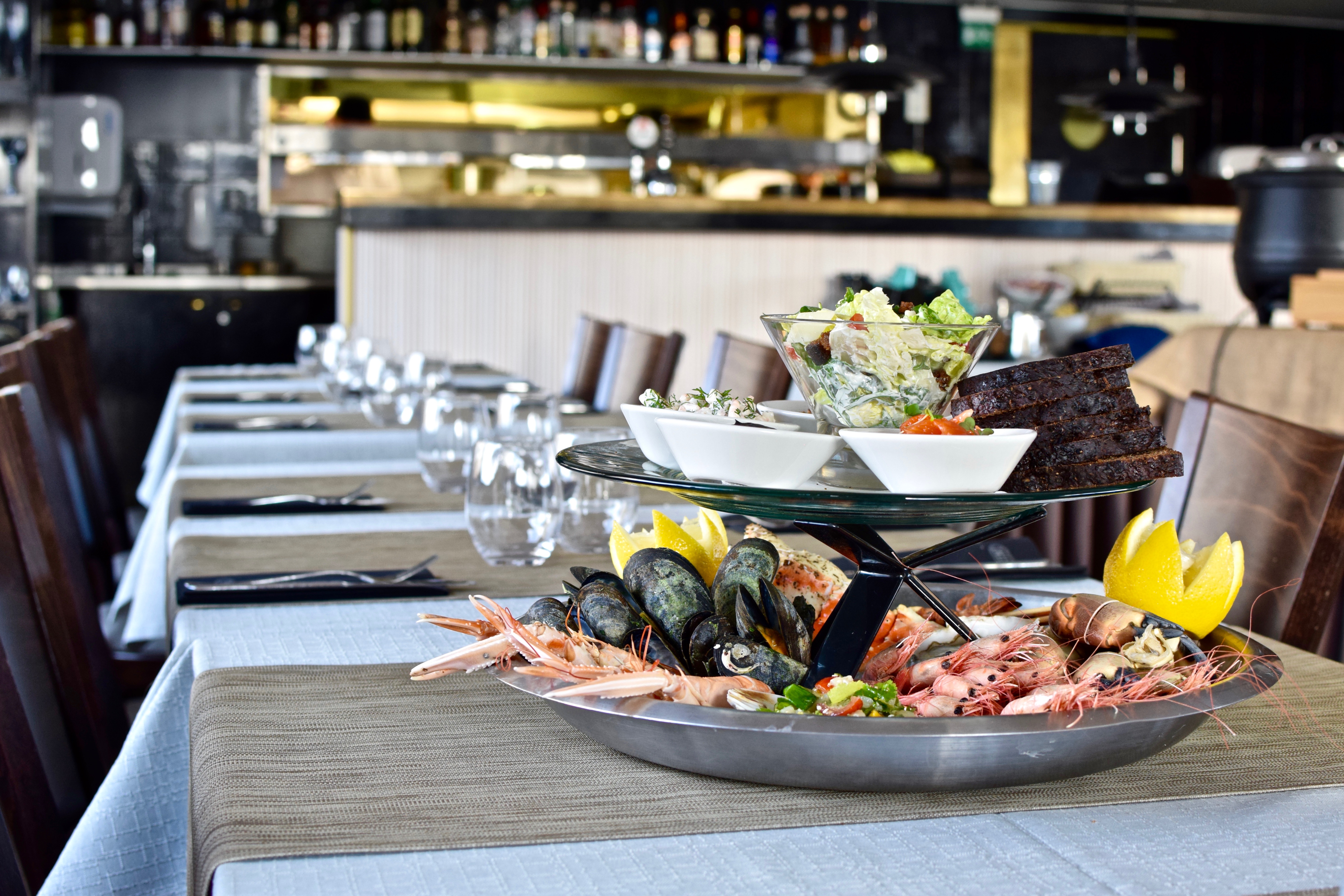
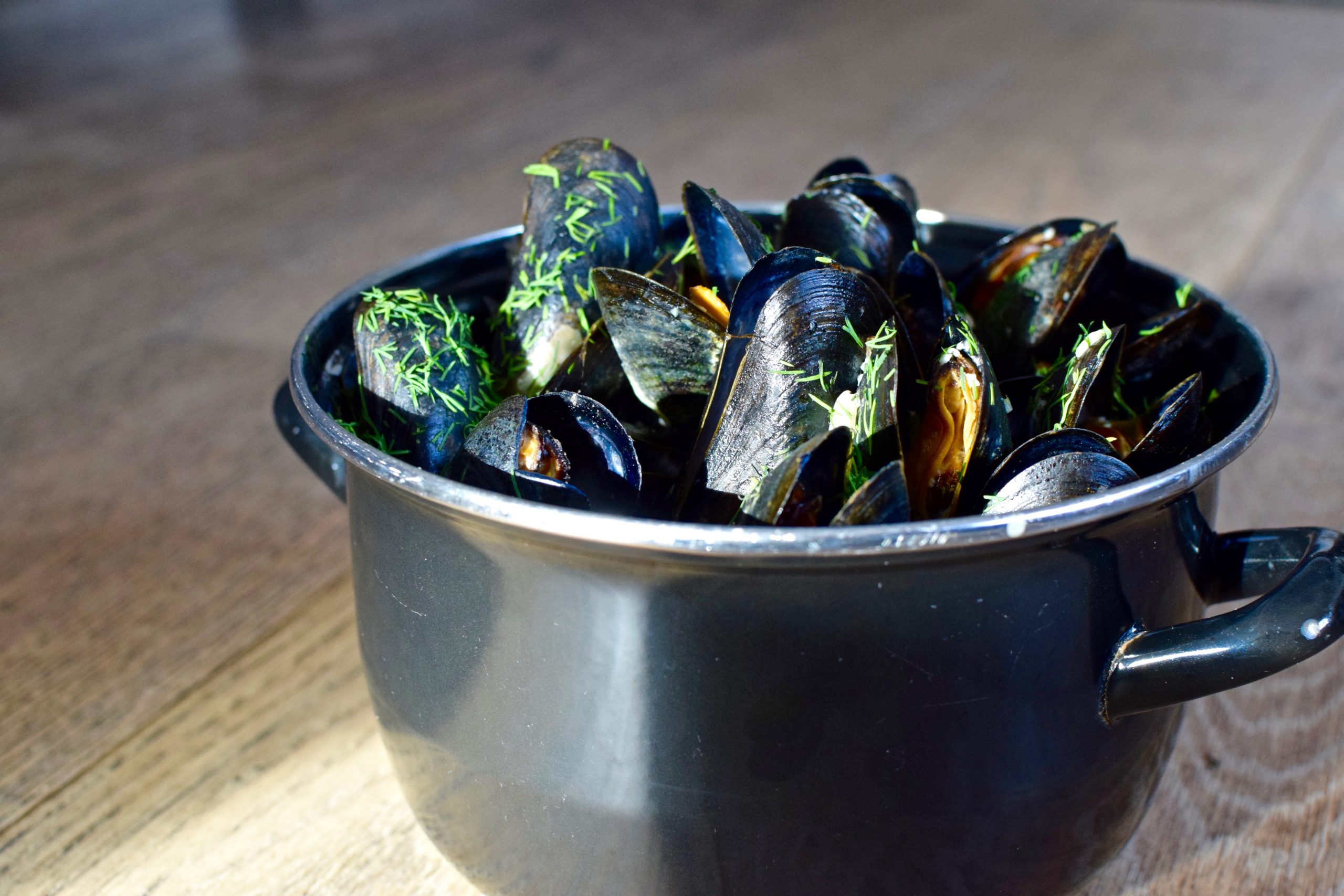
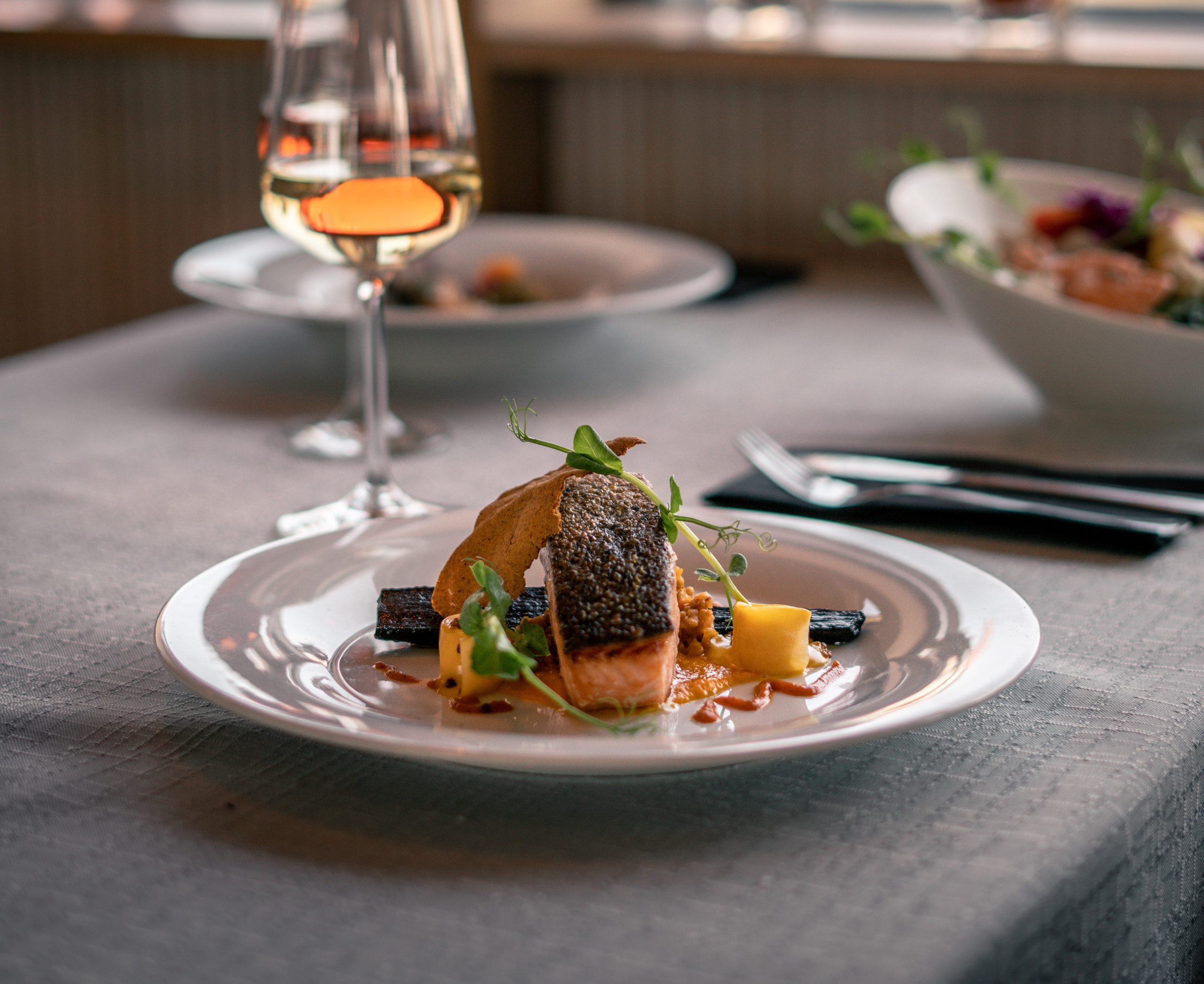
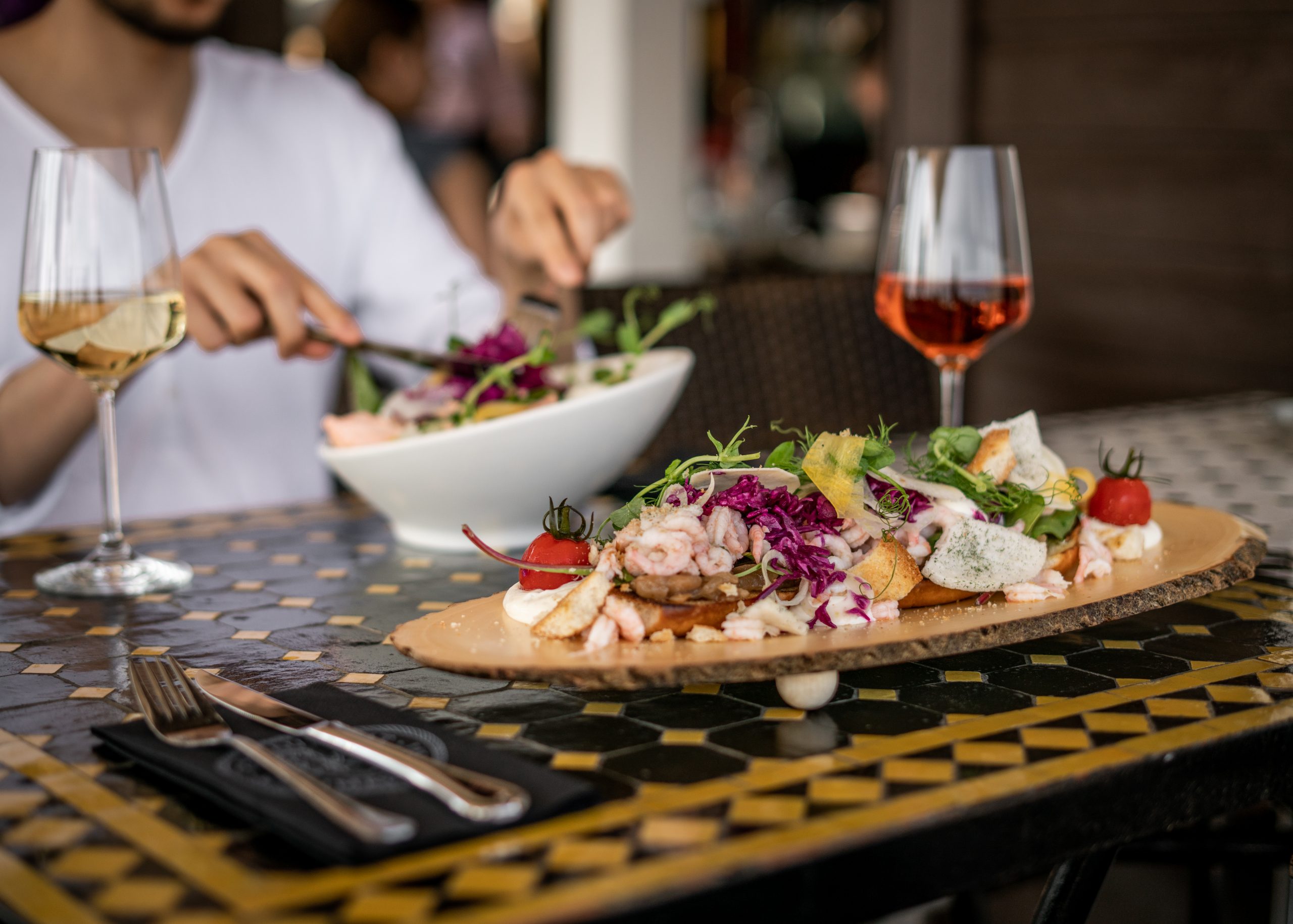
At Merimakasiini, we offer a three-course lunch menu at 38 euros on weekdays from 11:30 to 14:00, served in our harbourside dining room in Hietalahti, a short walk from the centre of Helsinki. The setting, with its panoramic sea views and fresh seasonal seafood, provides exactly the kind of distinctive, memorable atmosphere that makes a business lunch feel like a genuine occasion rather than just a meal.
Ultimately, the restaurant you choose reflects on you as a host. Picking somewhere with a clear identity, a strong reputation, and a warm sense of place tells your guest that you have put thought into the experience, which is itself a form of professional respect.